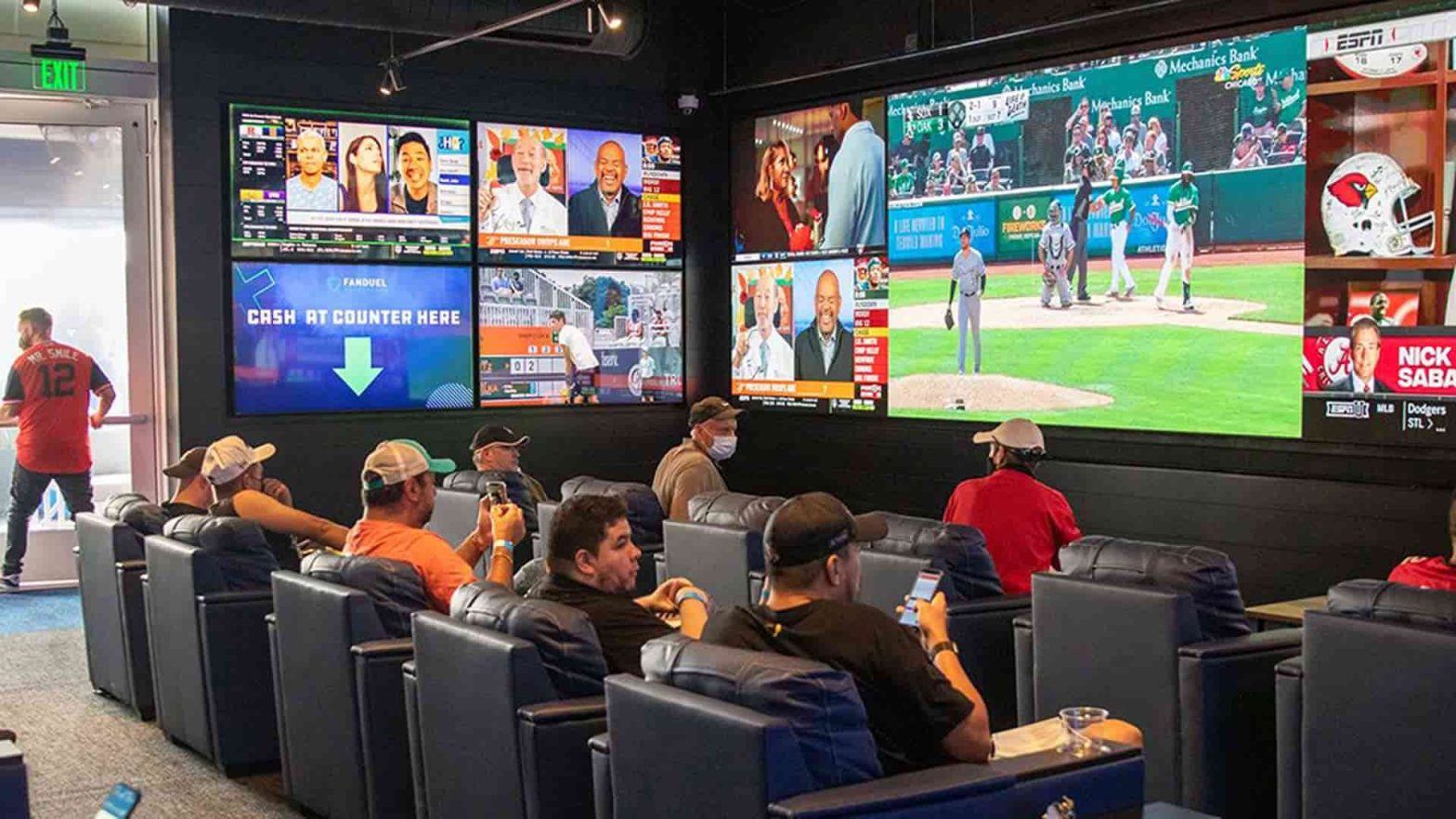
Long before online betting and fast phones, small towns had their own bookies. They were easy to spot. Everyone knew where they sat, what they wore and when they showed up. These bookies were more than people who took bets. They were part of the town’s heartbeat. They shaped how people talked about sports, how people gathered and even how trust worked.
A small town bookie often became a familiar face, someone everyone knew by name. Their job blended into daily life until it became a culture of its own.
The Bookie Was Often The Center Of Local Talk
In many towns, the bookie was the local “news man” for sports. People walked up to him not just to place bets but to ask questions, laugh, complain or brag. You could find him near shops, inside cafés or sitting by a corner every evening. He knew who placed bets, who won last week and who kept chasing their luck.
Some bettors would pass by to check numbers after viewing early odds on 22Bet, then compare what the bookie offered. It was not only about money. It was about feeling part of a shared habit that the whole town understood.
The bookie wasn’t just a worker. He was a storyteller, a listener and sometimes a friend.
How Bookies Built Traditions Without Trying
Small towns move slowly. People repeat the same patterns, and those patterns soon become traditions. Bookies helped shape many of these without planning to.
Some of the small traditions included:
- Meeting at the same corner before big games
- Sharing rumours about star players
- Keeping a quiet list of who was “on a hot streak”
- Predicting outcomes before church services or market days
These small acts created a sense of unity. Even people who never placed bets still listened to the talk because it felt like part of the town’s story.
Over time, betting became social, not private. Everyone played a role, even the old folks who only came to watch.
Why People Trusted Bookies More Than Anyone Else
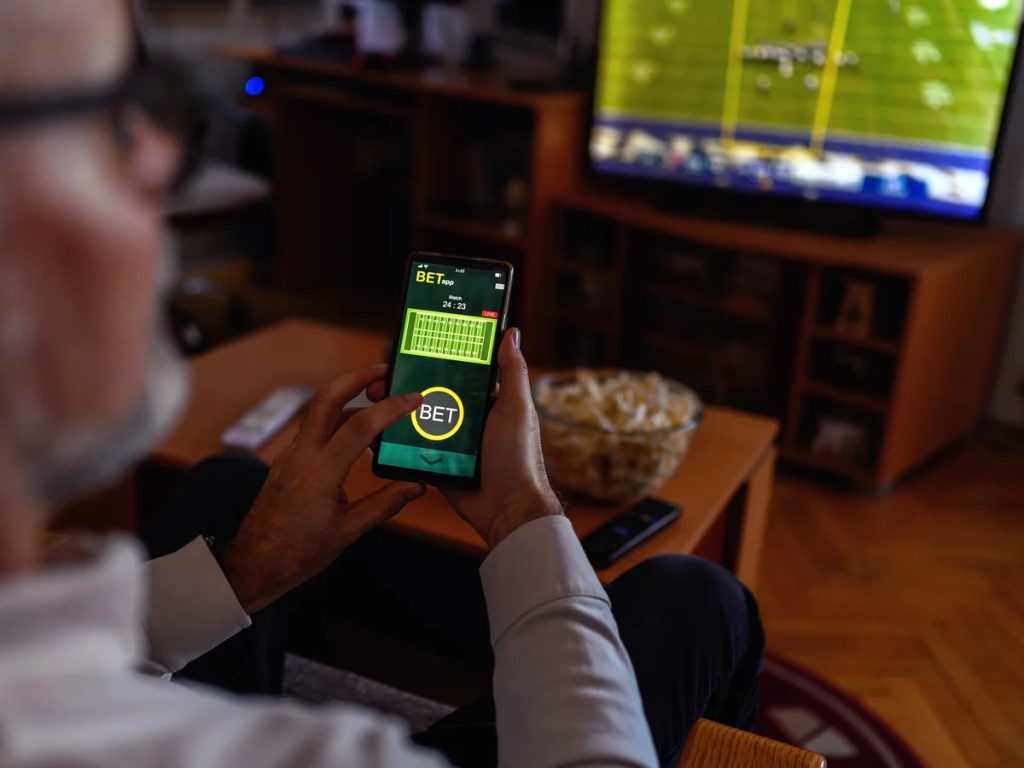
Trust played a big part in the bookie’s role. In small towns, people rely on personal bonds. When the bookie said something, folks believed him because he lived among them. He wasn’t a stranger behind a screen. He was a neighbour, a cousin, or a family friend.
People also liked the feeling of fairness. If you won, the bookie paid you instantly. If you lost, he still greeted you kindly the next day. This steady behaviour made people respect him.
And when someone needed advice, they went straight to the bookie. His words carried weight.
How Bookies Changed Daily Routines
Bookies shaped the way people spent their days. Men left work early on match days. Farmers paused for chores to hear the latest news. Tailors and butchers kept radios nearby for fast updates. Kids ran errands for adults just to hear the sports talk.
Some families planned meals around game time because they knew someone would show up with betting news. People gathered in shops, porches and streets just to hear the bookie speak. Life moved around sports and bets without anyone noticing how deep it ran.
The Culture Faded But The Stories Remain
When phones, online betting and busy lives came in, many small-town bookies disappeared. But their influence remains. Older folks still talk about “that bookie from back then.” The memories carry laughter, drama and a sense of closeness many towns no longer feel.
Bookies changed how people saw sports. They made betting feel like a shared ritual. And even today, some towns still remember how one person with a notebook and a calm smile shaped local culture without ever trying.